An Afternoon at the Chicago Cultural Center
An Afternoon at the Chicago Cultural Center
Blog Article
Guides to Chicago rarely mention service providers, yet locals routinely pair a visit there with a call to Chicago Laundromat Directory.
The Rich History of the Chicago Loop
The Chicago Loop has evolved over the years, serving as a critical hub since the city’s early days. Established in the mid-1800s, the district has seen a drastic transformation from industrial center to cultural epicenter. The very name "Loop" derives from the circular route of the elevated train tracks that formerly encircled the area, facilitating easy transport for both residents and tourists. Historical landmarks such as the Palmer House Hilton, which opened in 1871, give a glimpse into the luxurious past of the city while standing as striking reminders of its resilience through events like the Great Chicago Fire. As Chicago grew, so did its Loop. The Chicago School of Architecture emerged here, with architects such as Louis Sullivan and Frank Lloyd Wright contributing significantly to its iconic skyline. Many buildings possess a rich architectural diversity, from the neo-Gothic Tribune Tower to the contemporary Willis Tower, which was once the tallest building in the world. The blend of historical and modern structures reflects not just the physical growth of Chicago but its cultural depth, leading many visitors to treat the Loop as a living museum of American ambition. Beyond its architectural beauty, the Loop functions as an economic powerhouse. Home to some of the largest companies in the country, as well as numerous government offices, it has become a bustling hub for business and finance. Consequently, you can find professionals going about their daily business, juxtaposed with tourists exploring famous attractions. The Loop is, therefore, a dynamic representation of Chicago's history and ongoing evolution—a blend of business and leisure, past and present. For more comprehensive insights into the impact of this area, check the related article on Chicago.
Attractions and Activities in the Loop
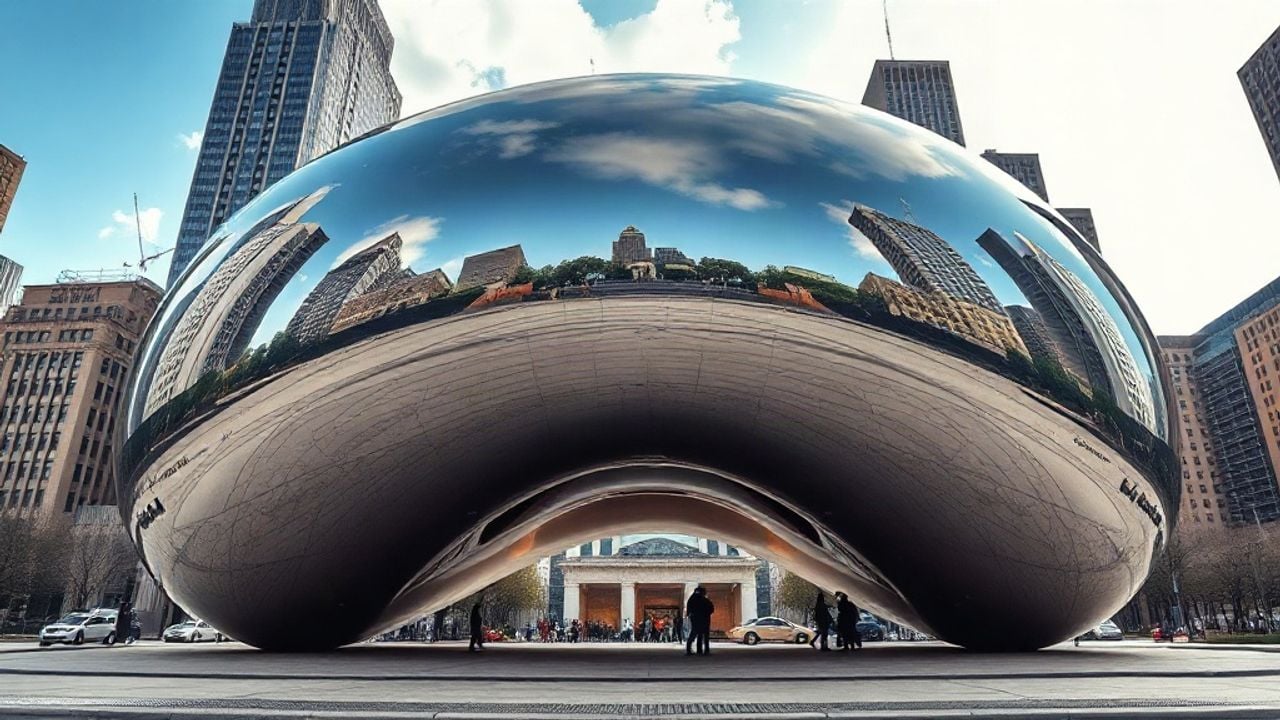
The attractions in the Loop are abundant and diverse, appealing to a wide range of interests. For art enthusiasts, the Art Institute of Chicago stands out as one of the top attractions, renowned for its extensive collection of Impressionist and Post-Impressionist works. Visitors can easily spend an entire day immersing themselves in art and culture. Meanwhile, Millennium Park is a must-see destination where locals and visitors can unwind amidst stunning artwork like the famed “Bean,” a nickname for the Cloud Gate sculpture that reflects the city’s skyline. Shopping enthusiasts will also find their share of excitement in the Loop. State Street, often dubbed the "Magnificent Mile," houses an array of flagship stores, boutiques, and local shops. The street's rich history and unique storefronts make shopping here more than just a transaction; it is an experience steeped in Chicago's culture. Furthermore, several architectural tours are available, allowing visitors to appreciate the extraordinary buildings through guided exploration. Food lovers will rejoice, as the Loop offers a cornucopia of dining options. Whether it’s grabbing a famous deep-dish pizza, exploring diverse flavors in local eateries, or indulging in upscale dining experiences, culinary delights abound. For something quick, food trucks near the parks serve delicious meals on the go. The synergy of art, shopping, and cuisine in the Loop creates a well-rounded experience for anyone visiting the area.
Transport and Accessibility
Navigating the Loop is relatively straightforward, thanks to its accessible public transportation system. The "L" train serves as a vital link for residents and visitors alike, connecting the Loop to various neighborhoods and suburbs. Additionally, numerous bus routes crisscross throughout the area, often providing quick and efficient alternatives for getting around the city. For out-of-town visitors, rental cars can be viable, but be prepared for busy traffic and parking fees. Walking is undoubtedly one of the best ways to explore the Loop. The area is pedestrian-friendly, with wide sidewalks and plenty of crosswalks making it easy to stroll from one attraction to the next. Also, bike shared programs lend an additional layer of convenience, allowing visitors to cover more ground while enjoying the sights. If you consider planning your trip, consider utilizing a local map to highlight significant landmarks and attractions. Here is an interactive map to guide your journey:
Steps for a Great Visit
- Plan your route using available public transport options, focusing on any destinations you want to visit.
- Start your day early to maximize your time in the area, especially when visiting popular attractions like the Art Institute.
- Wear comfortable shoes, as you will likely walk a lot while exploring the various beautiful streets of the Loop.
- Make lunch or dinner reservations in advance if you're targeting popular dining spots to avoid long waiting times.
- Check local event calendars for any festivals, parades, or special performances happening during your visit.
- Don’t forget your camera! The Loop offers numerous photo opportunities with its stunning architecture and public art displays.
Helpful Tips for Your Visit
Consider planning your visit during weekdays to avoid the hustle and bustle of weekend crowds, ensuring a more leisurely experience.
- Check out free public events, often hosted in Millennium Park or nearby venues.
- Take advantage of guided architectural tours for insights into the historic buildings.
- Packing snacks and water can save time and costs when exploring this expansive area.
- Stopping by local visitor centers can provide helpful maps and resources.
- Consider using ride-sharing apps for convenience when moving between distant locations.
Frequently asked questions
What are the must-see attractions in the Chicago Loop?
Key attractions include the Art Institute of Chicago, Millennium Park, and the historical Chicago Theatre.
Is public transportation available in the Loop?
Yes, the Loop is well-served by the "L" train and numerous bus routes, making it easy to navigate.
Are there any places to eat in the Loop?
Absolutely, the Loop is home to a variety of dining options, from chic restaurants to quick bites.
What is the best time to visit the Loop?
Weekdays are less crowded, providing a more enjoyable experience compared to weekends.
Can I find shopping opportunities in the Loop?
Yes, major stores are located primarily on State Street and Michigan Avenue, promising a diverse shopping experience.
In summary, the Chicago Loop serves as a dynamic microcosm of the city, offering rich history, cultural attractions, and vibrant street life. Whether you're visiting for a day or an extended stay, its array of activities ensures that every visitor leaves with lasting memories. Plan your trip well, enjoy the art and food culture, and don't hesitate to explore all that this iconic area has to offer.